

GAMP5 Annex 11 21 CFR Part 11

Science based approach

Identfy gaps
We leverage the latest risk-based Computer System Validation (CSV) and Computer Software Assurance (CSA) techniques to ensure that your clients' systems are ready for inspections from the FDA, EMA, HPRA, and other regulatory agencies. Based in Cork, serving Ireland and the EU.
It's the ISPE's best practice guidance which has been accepted by regulators worldwide (including the FDA) and is widely referenced in their literature and documentation. A cost effective framework to ensure that computerised systems are fit for use and compliant with regulation.
GAMP 5 ® sets out guidelines for systems’ validation governed by five key concepts rooted in risk-based thinking.

GAMP 5 emphasizes a science based risk management approach to system validation and qualification. It encourages organizations to identify and assess potential risks associated with automated systems, allowing them to effectively allocate resources and prioritize validation activities.
GAMP 5 encourages organisations to have change management processes and robust procedures in place. Evaluating and controlling changes to automated systems helps to ensure that changes do not compromise product quality or patient safety.

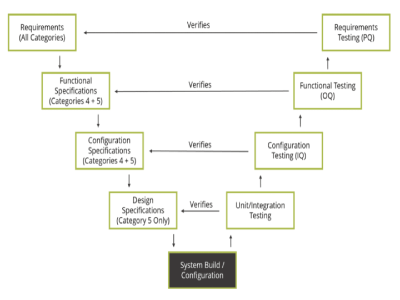
The V model, which serves as a reference for the software application’s lifecycle model in accordance with GAMP-5, provides a structured framework for conducting validation activities. Within this model, different GAMP-5 categories are utilized to classify software applications based on their characteristics, and the validation efforts are tailored accordingly.
The V model can be flexibly adjusted or modified to align with the specific parameters mentioned above. GAMP-5 emphasizes that the type and extent of validation requirements associated with a system should be commensurate with its level of novelty and complexity, which, in turn, is reflected in the assigned GAMP-5 category.
Adhering to GAMP 5 guidelines offers several benefits to organisations:
Regulatory Compliance: GAMP 5 aligns with regulatory expectations and helps organisations demonstrate compliance with various regulatory authorities, such as the U.S. Food and Drug Administration (FDA) and the European Medicines Agency (EMA).
Quality and Data Integrity: GAMP 5 ensures that automated systems consistently produce high-quality products while maintaining data integrity, fostering patient safety and trust in the industry.
Risk Mitigation: By adopting a risk-based approach, GAMP 5 helps organizations identify and mitigate potential risks associated with automated systems, minimizing the likelihood of product recalls, safety issues, and regulatory penalties.
Improved Efficiency: The lifecycle approach and emphasis on change management in GAMP 5 lead to more efficient system development, implementation, and maintenance. This results in reduced downtime, enhanced productivity, and decreased costs.
GAMP 5 outlines a risk based approach to Compliant GxP Computerised systems that can help manufacturers streamline their processes even as their regulatory obligations increase and supply chains become more complex.
